

Creating a Marketing Strategy for Your Vineyard or Orchard Business
May 20, 2026
Email Marketing Essentials for Farm Shops and On-Farm Retail
June 10, 2026
Collaborating with Other Businesses to Cross-Promote Your Farm Diversification
One of the biggest challenges for farm diversification businesses is visibility. Whether you are running a vineyard, farm shop, glamping site or meat box business, getting in front of new customers can feel like a constant effort.
What many businesses overlook is that some of their best marketing opportunities are right on their doorstep.
This is where local collaboration marketing comes in.
By working with other local food and rural businesses, you can expand your reach, create more appealing offers and build a stronger presence in your local area, all without increasing your advertising spend.
Why So Many Farms Market in Isolation
It is surprisingly common for farm businesses to operate in silos when it comes to marketing. Everyone is focused on promoting their own products, their own experiences and their own channels.
But the reality is, your ideal customers are often already engaging with other local businesses just like yours.
They are:
- Visiting farm shops
- Booking local experiences
- Looking for high-quality, locally produced food
- Planning days out or short breaks in the countryside
Rather than competing for attention, there is a real opportunity to work together and share that audience.
What Is Local Collaboration Marketing?
At its core, local collaboration marketing is about partnering with other businesses that complement what you offer.
The key word here is complement.
You are not looking for competitors. You are looking for businesses that serve the same type of customer but in a different way.
For example:
- A vineyard partnering with a local cheese producer
- A glamping site working with an activity centre or yoga instructor
- A farm shop collaborating with a local bakery or butcher
These partnerships allow you to create something more valuable together than you could alone.
Why Collaboration Works So Well in Agriculture
Farm diversification businesses are uniquely well positioned to benefit from collaboration. You are often rooted in a local area, with strong ties to your community and a customer base that values local produce and experiences.
When done well, collaboration can:
- Introduce your business to a new but relevant audience
- Increase the perceived value of your offering
- Strengthen your local network and reputation
- Create more engaging and varied marketing content
There is also a level of trust involved. If a customer already trusts one business, they are more likely to trust a recommendation or partnership linked to it.
Finding the Right Collaboration Partners
Not every partnership will be the right fit, so it is important to be selective.
Start by thinking about your ideal customer. Where else are they spending their time and money?
Good collaboration partners will usually:
- Target a similar audience to you
- Offer something that complements your product or experience
- Share similar values around quality and customer experience
Some practical examples include:
- A meat producer working with a veg box business
- A vineyard partnering with a local restaurant
- A glamping business collaborating with a wellness provider
Local proximity can help, but it is not the only factor. Audience alignment is often more important than distance.
Collaboration Ideas That Work in Practice
If you are new to collaboration, it can be hard to know where to start. The good news is, it does not need to be complicated.
Here are some proven ideas that work well for farm diversification businesses.
Product Bundles
One of the simplest ways to collaborate is by combining products.
For example:
- Wine and cheese boxes
- Meat and veg bundles
- Seasonal hampers featuring multiple local producers
These bundles can:
- Increase average order value
- Introduce customers to new products
- Create strong gifting opportunities
They are particularly effective during peak seasons such as Christmas or summer.
Experience Packages
Experiences are where collaboration really comes into its own.
You might create:
- A vineyard tour paired with a tasting platter from a local producer
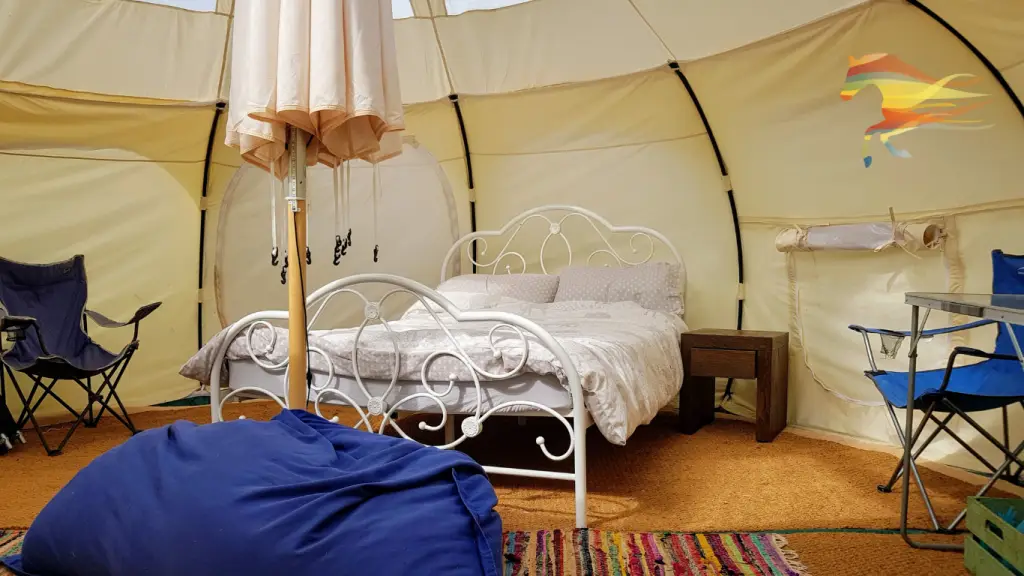
- A glamping stay that includes an activity such as kayaking or yoga
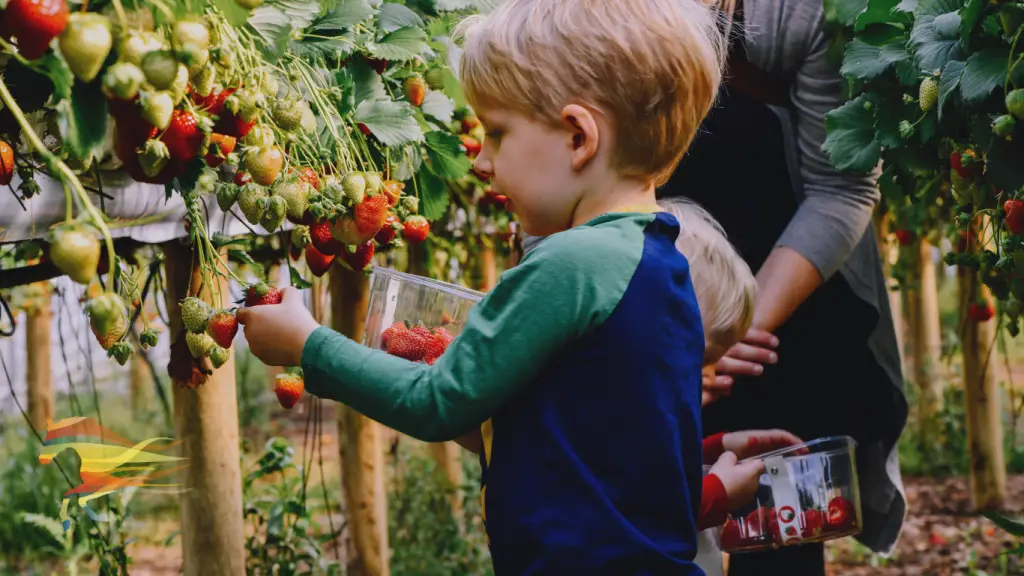
- A farm experience combined with a workshop or course
These packages make your offering more appealing and help justify higher price points.
Events and Pop-Ups
Events are a great way to bring multiple audiences together.
Ideas could include:
- Joint open days
- Seasonal markets or food festivals
- Guest pop-ups at your location
These events create a sense of occasion and give customers a reason to visit.
They also provide excellent content for your marketing channels.
Content Collaborations
Not all collaborations need to involve products or events.
You can also work together on marketing content:
- Social media collaborations or takeovers
- Joint giveaways
- Featuring each other in emails or blogs
This is a simple way to cross-promote and introduce your audience to other businesses.
Keeping Your Collaboration Simple and Effective
One of the biggest mistakes businesses make is overcomplicating collaborations.
It is far better to start small and build from there.
Before you begin, have a clear understanding of:
- Who is responsible for what
- How revenue will be split, if applicable
- How the collaboration will be promoted
You do not need a complex contract for every idea, but clear communication is essential.
Think of your first collaboration as a test. See what works, learn from it and refine your approach.
Promoting Your Collaboration Properly
A collaboration is only as strong as its promotion.
Make sure you are using all your available channels:
- Share across social media, ideally on both businesses’ platforms
- Feature the collaboration in your email marketing
- Add it to your website where relevant
Email marketing is particularly effective for promoting collaborations, as it allows you to reach an engaged audience directly and drive action quickly.
If you are not currently making the most of your marketing channels, our free strategy guide is a great place to start.
Common Mistakes to Avoid
While collaboration can be highly effective, there are a few pitfalls to watch out for.
Avoid:
- Choosing partners based purely on convenience
- Working with businesses that do not align with your brand
- Failing to communicate expectations clearly
- Trying to do too much too quickly
A well-matched, simple collaboration will almost always outperform a complex, poorly aligned one.
Start Small and Build From There
If you have not tried collaboration before, start with one idea.
It could be:
- A small product bundle
- A simple joint giveaway
- A one-off event
Use it as a learning experience. See how your audience responds, gather feedback and build from there.
Over time, you may find that these partnerships become a regular and valuable part of your marketing strategy.
How Flame Marketing Can Help
At Flame Marketing, we work with farm diversification businesses to develop practical, results-driven marketing strategies.
Collaboration is often a key part of that, helping our clients:
- Reach new audiences
- Create more compelling offers
- Strengthen their position in the local market
If you would like help identifying the right opportunities for your business, you can book a free strategy session here.
Final Thoughts
You do not have to grow your farm business alone.
By working with other local businesses, you can create stronger offers, reach more customers and build a more resilient and connected business.
Local collaboration marketing is not just a nice idea. It is one of the most practical and cost-effective ways to grow your farm diversification.
And often, the best opportunities are closer than you think.