
SEO Best Practices for Farm Diversification Websites
March 25, 2025
Collaborating with Local Influencers to Promote Your Farm Products
April 5, 2025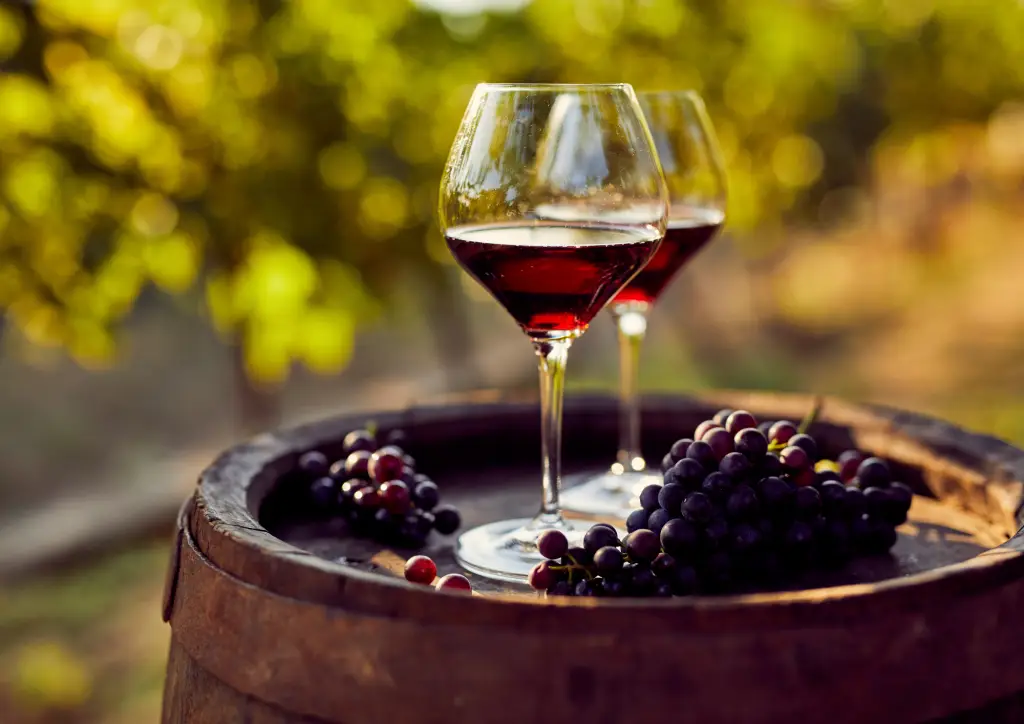
Considerations When Diversifying a Vineyard into a Wedding Venue
Vineyard wedding venues have become increasingly popular, offering couples a stunning, romantic backdrop while providing vineyard owners with a valuable new revenue stream. With demand for unique wedding locations growing, transforming your vineyard into a wedding venue could be a highly profitable diversification. However, careful planning is essential to ensure success.
1. Planning and Legal Considerations
Planning Permission
Before hosting weddings, check local council regulations on events held on agricultural land. Some vineyard locations may require change-of-use permissions, and if you plan to convert an existing barn or building, additional planning consent may be needed.
Marquees can usually be erected without planning permission for up to 28 days per year, including setup and takedown time. If you want to host more frequent weddings, you’ll need to apply for full planning permission.
Environmental and Noise Regulations
Noise is one of the biggest concerns for rural wedding venues. Your planning application must include a noise management plan, as complaints from neighbours can lead to fines or licence restrictions. Strategies to reduce noise impact include:
- Sound barriers (hedges, trees, fencing)
- Restricted event hours (e.g., limiting music after 10 pm)
- Directional speaker placement to prevent sound carrying too far
Alcohol & Catering Licenses
As a vineyard, offering wine sales at weddings is likely to be a priority. You’ll need a premises licence and a personal licence holder to oversee alcohol sales. If your vineyard already has a licence, check whether it covers weddings, or if modifications are required.
If providing catering, ensure food hygiene and safety standards are met. If hiring external caterers, request proof of compliance.
Hosting Legal Ceremonies
To legally host civil weddings, you must obtain a Grant of Approval from your local council. However, only permanent buildings deemed ‘seemly and dignified’ qualify—meaning marquees, tipis, and outdoor spaces cannot host legal ceremonies. Couples can still have symbolic ceremonies on-site and complete legal paperwork elsewhere.
2. Infrastructure: Choosing the Right Location on the Vineyard
A vineyard wedding venue should offer stunning views while minimising disruption to vineyard operations. Consider:
- Accessibility for guests, suppliers, and staff
- Parking facilities for 50–100 cars
- Proximity to power and water sources
Event Spaces & Facilities
Decide whether to use existing structures or invest in new facilities. Options include:
- Barn conversions – Permanent, rustic, and characterful
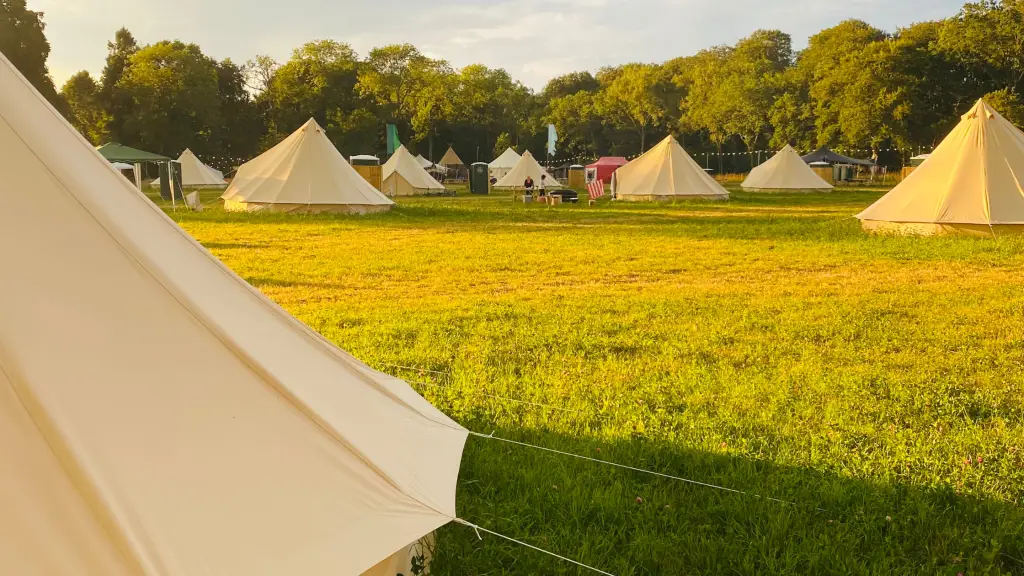
- Marquees or tipis – Flexible but require planning consideration
- Built-for-purpose event spaces – A larger upfront investment but a long-term asset
Other essential facilities include:
- Toilets (1 per 50 guests)
- Catering kitchen or food prep area
- Bar setup (if not using mobile bar services)
- Bridal suite or changing area
Weather-Proofing the Venue
British weather is unpredictable, so a wet-weather contingency plan is essential. Consider:
- Covered areas (pergolas, gazebos)
- Heating options for cooler months
- Drainage solutions for heavy rain
Understanding the Competition
Research nearby wedding venues through platforms like Hitched and Bridebook to understand:
- What facilities they offer
- Their pricing structures
- How your vineyard venue could stand out
If you have an existing barn or unused building, converting it can be a cost-effective way to create a year-round venue.
3. Marketing Your Vineyard Wedding Venue
Once you’ve tackled the legal and infrastructure requirements, the next challenge is attracting couples to your venue. A strong brand, effective online presence, and strategic collaborations are key.
Defining Your Brand & Ideal Client
To stand out in a competitive market, you must define your venue’s unique selling points. Consider the type of weddings you want to host and your ideal clients. Here are some common positioning options:
- Luxury weddings – High-end services, exclusive experiences, premium pricing
- Rustic charm – A countryside feel with a focus on natural beauty
- Eco-conscious weddings – Sustainable practices, organic catering, minimal environmental impact
Your branding should be reflected in your website, social media, and marketing materials.
Leveraging Digital Marketing
A well-designed website is essential. It should include:
- High-quality images showcasing the venue in different seasons
- A detailed breakdown of venue hire options, pricing, and what’s included
- A downloadable brochure to capture email addresses for follow-up marketing
Decide whether the wedding business should have a separate website or if it will be a section within your existing vineyard site. Keeping it separate can help establish it as a premium standalone offering, but integrating it may benefit from existing vineyard website traffic.
Social Media & Content Creation
Platforms like Instagram and Pinterest are crucial for wedding marketing, as couples use them for inspiration. Your strategy should include:
- Behind-the-scenes content – Show venue setup, wine tastings, or real weddings
- Styled shoots – Collaborate with local wedding vendors to create a dream wedding setup at your venue
- Client testimonials & user-generated content – Share real wedding experiences to build credibility
Regular video content, such as Instagram Reels or TikTok snippets, can dramatically increase reach and engagement.
Even if your website is shared with the vineyard, setting up separate social media accounts for the wedding venue is recommended. This improves search rankings and allows you to target the right audience.
Collaborations & Partnerships
Teaming up with local wedding suppliers can enhance your marketing reach. Consider:
- Listing recommended caterers, florists, photographers, and entertainment providers on your website
- Cross-promoting with suppliers on social media to reach a wider audience of engaged couples.
- Offering exclusive wine tasting packages for wedding parties or a vineyard tour experience as part of the wedding weekend.
Wedding Directories & Listings
Get your venue listed on major wedding directories such as Hitched. These platforms drive targeted traffic from couples actively searching for venues.
By combining strong branding, digital marketing, and industry collaborations, you can establish your vineyard as a must-book wedding destination.
4. Mapping the Customer Journey & Managing Bookings
A well-structured customer journey ensures inquiries turn into confirmed bookings. From the first website visit to the wedding day itself, each stage should be designed to provide clarity, confidence, and a sense of excitement. Key steps include:
- Initial Inquiry – Quick, professional responses
- Venue Show Rounds – Personalised tours to showcase the venue
- Booking Process – Clear contracts, pricing, and payment plans
- Pre-Wedding Support – Supplier lists, planning check-ins, and ongoing communication
Implementing a Booking & Payment System
To streamline operations, event management software can help track inquiries, manage bookings, and automate contracts, invoices, and payment reminders. A Customer Relationship Management (CRM) system helps ensure no inquiries are missed.
To prevent overstretching resources, set realistic event limits:
- Define availability – Will weddings be year-round or seasonal?
- Avoid clashes with peak vineyard activity (e.g., harvest season)
- Hire seasonal staff to ease pressure on vineyard employees
By mapping the customer journey and using the right tools, you can create a stress-free experience for couples and your team.
5. Financial Viability & Return on Investment
Diversifying into a wedding venue requires careful financial planning. Initial investment depends on:
- Converting existing structures vs. building new facilities
- Essential upgrades (power, water, decor, landscaping)
- Marketing & licensing fees
A realistic budget should be in place before committing to the project.
Revenue Streams and Pricing
Your pricing should reflect market demand, competition, and your venue’s unique offerings. Key considerations:
- Charging per head vs. package pricing – Packages can simplify booking decisions and boost upselling opportunities.
- Weekend vs. weekday rates – Lower midweek pricing can attract more bookings.
- Additional revenue from extras – Personalised wine bottles, private vineyard tours, and exclusive catering options.
Boost profitability by offering:
- Corporate events, private parties, wine-pairing dinners
- On-site accommodation (glamping pods, lodges)
- Extra revenue opportunities (personalised wine bottles, private vineyard tours)
Book a free strategy session with us here: 👉 Book Here