

GA4 Farm Marketing: How to Track What Is Generating Sales
July 15, 2026
Using Sustainable Farm Marketing Without Greenwashing
July 29, 2026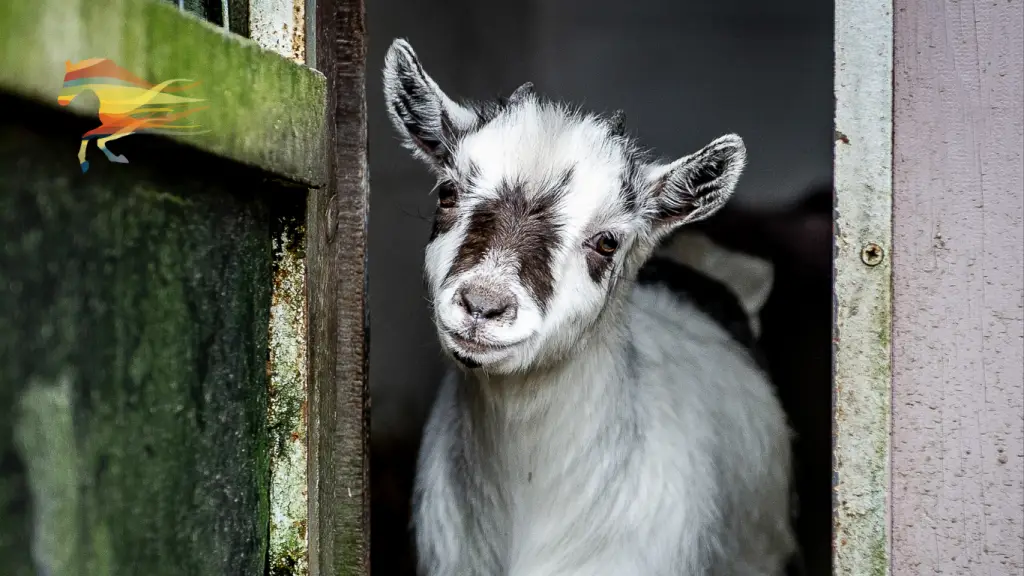
Pet Livestock Diversification: How To Create a Profitable Side Venture
For many farmers, diversification has become an essential part of building a resilient business. While ventures such as glamping, farm shops and meat boxes often receive the most attention, there are also smaller-scale opportunities that can generate valuable additional income without requiring a significant investment.
One option that continues to grow in popularity is pet livestock diversification. From poultry and pygmy goats to rare breed sheep and miniature cattle, there is increasing demand from hobby farmers, smallholders and families looking to keep animals for enjoyment rather than commercial production.
For farmers with livestock experience, this can be an excellent way to create an additional income stream while also helping to promote rare breeds, educate new animal keepers and build stronger connections with the wider community.
What Is Pet Livestock Diversification?
Pet livestock diversification involves breeding and selling animals to non-commercial buyers. Unlike traditional livestock sales, where animals are purchased for meat, breeding or production purposes, pet livestock buyers are often looking for animals as companions, hobby livestock or lifestyle additions to their smallholding.
Common examples include:
- Chickens and ducks
- Geese
- Pygmy goats
- Rare breed sheep
- Alpacas
- Miniature cattle
- Smallholder-friendly livestock breeds
The market has grown significantly in recent years as more people embrace rural living, self-sufficiency and hobby farming. Many customers are looking for animals that are easy to manage, family-friendly and suitable for smaller acreages.
As highlighted in farm diversification trends, pet livestock sales can provide a useful supplementary income stream while helping preserve traditional and native breeds.
Why Pet Livestock Diversification Works So Well for Farmers
One of the biggest advantages of this type of diversification is that it often builds upon skills and facilities that already exist on the farm.
If you already keep livestock, you likely have much of the infrastructure and expertise required to care for breeding stock and young animals. This means the initial investment can be lower than many other diversification projects.
Pet livestock diversification can also be scaled to suit your circumstances. Some farms may sell only a handful of animals each year as a side venture, while others develop a strong reputation and create a significant secondary income stream.
Perhaps most importantly, it allows farmers to make use of something they already possess in abundance: practical livestock knowledge.
Choosing the Right Animals for Your Target Market
Not every breed or species will suit the pet livestock market.
Before investing heavily in breeding programmes, it is important to understand who your ideal customers are.
You may be targeting:
- First-time livestock owners
- Families with children
- Lifestyle smallholders
- Hobby farmers
- Rare breed enthusiasts
- Existing livestock keepers seeking additional animals
Different audiences will have different priorities. A family buying their first chickens may prioritise temperament and ease of care, while an experienced smallholder may be more interested in specific breed characteristics.
When selecting breeds, consider:
- Ease of handling
- Temperament
- Local demand
- Housing requirements
- Welfare considerations
- Biosecurity implications
Rare and native breeds can be particularly attractive because they offer a unique story and often appeal to customers interested in conservation and heritage farming.
Promote the Benefits of Your Breed
One of the biggest mistakes livestock sellers make is assuming customers already understand the differences between breeds.
In reality, many buyers have very limited knowledge and need guidance before making a decision.
Your marketing should educate potential customers about why your animals are a good fit for their needs.
Useful information to share includes:
- Temperament
- Adult size
- Space requirements
- Egg production (for poultry)
- Grazing benefits
- Suitability for beginners
- Lifespan and care requirements
For example, if you breed a traditional native sheep breed known for hardiness and easy lambing, explain these benefits clearly.
Educational content can also improve your online visibility. Consider creating:
- Breed spotlight blogs
- Frequently asked questions
- Comparison guides
- Short videos introducing your animals
- Social media posts featuring individual animals
The more information you provide, the easier it becomes for customers to feel confident about purchasing from you.
Create Customer Support Materials That Build Trust
Many people entering the pet livestock market are first-time animal owners.
This means customer support is just as important as the animals themselves.
Providing guidance and education helps reduce problems after the sale and demonstrates professionalism.
Consider creating a welcome pack that includes:
- Feeding advice
- Housing recommendations
- Health and welfare guidance
- Vaccination information
- Biosecurity tips
- Emergency contact details
- Frequently asked questions
These materials can help customers feel supported and reduce the number of routine enquiries you receive.
Supporting customers beyond the point of sale can also encourage positive reviews, referrals and repeat business. Educational resources and ongoing support are often key factors in successful livestock diversification businesses.
Use Local Marketing to Reach the Right Customers
Most pet livestock buyers prefer to collect animals in person, making local marketing particularly important.
While having a website is valuable, many sales opportunities come from community-based marketing efforts.
Some effective channels include:
- Local Facebook groups
- Smallholder groups
- Agricultural shows
- Rural events
- Farm open days
- Local noticeboards
- Agricultural publications
Building a strong local reputation often leads to word-of-mouth recommendations, which remain one of the most powerful marketing tools available.
Make the Most of Facebook Groups
Facebook groups can be especially effective for pet livestock diversification.
Rather than immediately advertising animals for sale, focus first on becoming a useful and trusted member of relevant communities.
Answer questions, provide practical advice and share your expertise.
Over time, people begin to recognise your knowledge and are more likely to consider purchasing animals from you when the opportunity arises.
This relationship-based approach is often far more effective than constant promotional posting and helps establish trust within niche communities.
Position Yourself as an Expert Through Education
Many potential customers have concerns about whether they can successfully care for livestock.
By providing educational content, you can remove many of these barriers.
Consider creating content around topics such as:
- Preparing for your first chickens
- How much land do sheep need?
- Common mistakes new goat owners make
- Choosing livestock for a smallholding
- Basic poultry health checks
- Winter livestock care
Educational content helps demonstrate your expertise while answering questions that potential customers are already searching for online.
It also improves trust and makes customers more likely to contact you when they are ready to buy.
Turn One-Off Buyers into Long-Term Customers
The initial animal sale should not necessarily be the end of the customer relationship.
Many livestock owners require ongoing support, products and services.
Depending on your business, opportunities may include:
- Feed sales
- Bedding supplies
- Husbandry services
- Shearing
- Seasonal health products
- Additional livestock purchases
You can stay in touch through:
- Email newsletters
- Social media updates
- Customer groups
- Open days
- Educational events
Building a community around your business helps strengthen loyalty and increases the likelihood of future sales.
Conclusion
A successful pet livestock diversification is about much more than breeding animals. It requires education, customer support and effective marketing.
By helping customers understand your breeds, providing practical guidance and building a strong local reputation, you can create a profitable side venture that complements your existing farm business.
Whether you are selling poultry to first-time keepers or promoting rare breed sheep to experienced smallholders, trust is often the deciding factor. The farmers who invest in relationships, education and customer support are usually the ones who build the strongest and most sustainable businesses.
With growing interest in smallholding and rural living, now could be the ideal time to explore how pet livestock diversification could add value to your farm.