
Your Best Farm Customer Is Not Always The One Who Spends The Most
September 15, 2026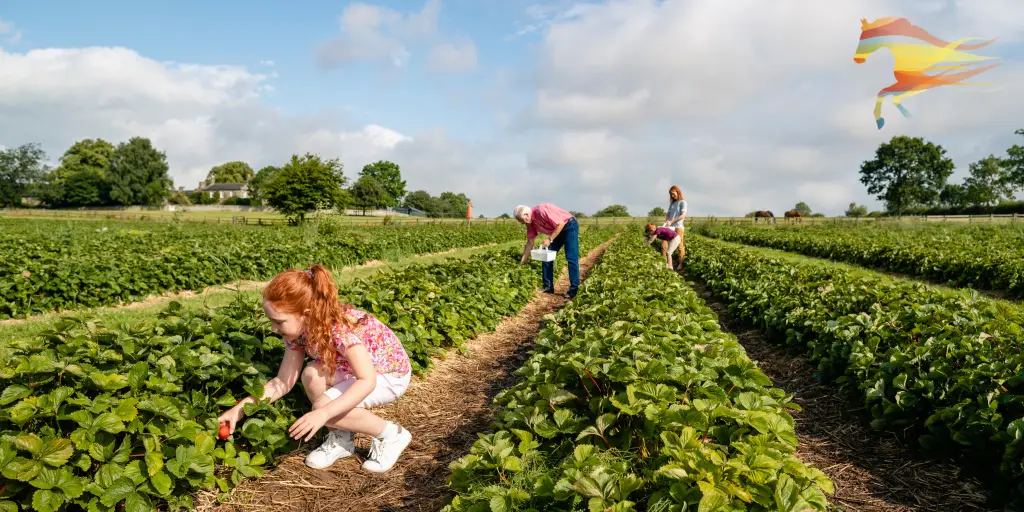
Why Your Farm Marketing Should Change With The Seasons – Without Starting Again Every Month
Consistency is one of the most repeated pieces of marketing advice.
Post consistently. Email consistently. Keep showing up. Keep your brand consistent.
All sensible advice.
But farm and rural businesses are seasonal by nature, and this is where the word consistency can become unhelpful if it is interpreted as doing exactly the same thing every month.
A farm shop in November has different priorities from the same farm shop in February. A glamping business trying to fill summer dates is in a different position from one trying to create shoulder-season bookings. A meat-box business approaching Christmas may need a completely different message from the one it uses during barbecue season.
Good seasonal farm marketing should be consistent in direction, not identical in activity.
Start by mapping the commercial year, not the content calendar
Before planning social media posts or newsletters, map the year from the business point of view.
Mark out:
– peak trading periods;
– predictable quiet periods;
– booking windows;
– seasonal products;
– events;
– production cycles;
– school holidays;
– periods when staff capacity changes;
– and times when farming workload limits what marketing can realistically happen.
This is much more useful than starting with a blank monthly content calendar.
For example, a PYO business may have a short period when the public-facing activity is intense, but the marketing work begins well before the gate opens. A farm-stay business may need to promote spring breaks in winter because that is when customers are researching and booking. A farm shop may make a large proportion of its seasonal sales in December, but the photography, gift ranges, email planning and website preparation need to happen much earlier.
The key question is not simply, ‘When are we busy?’
It is, ‘When does the customer make the decision that creates that busy period?’
Plan backwards from the customer’s decision
One of the most common seasonal marketing mistakes is waiting until the business needs sales before starting the campaign.
By then, the customer may already have made their decision.
If you want more bookings in October, think about when your October customer starts looking.
If you want stronger Christmas hamper sales, think about when customers begin making gift lists or businesses start planning corporate presents.
If you want more families at an Easter event, consider how far ahead parents organise school-holiday activities.
Then work backwards.
What needs to be on the website first?
When should email subscribers hear about it?
When do you need photographs?
When should social content start building awareness?
Is there a deadline, capacity limit or early-booking reason that genuinely matters?
This turns seasonal marketing from a last-minute push into a planned customer journey.
Keep a stable strategic core underneath the seasonal activity
Seasonal marketing should change, but the foundations should not be reinvented every few weeks.
Your core should remain relatively stable:
– who the business is for;
– what makes it worth choosing;
– your brand and tone;
– the customer experience you want to create;
– the main commercial goals;
– and the channels that genuinely help you reach customers.
The seasonal layer then changes around that foundation.
For example, a glamping business may consistently position itself around peace, local food and a genuine farm experience. In spring, the message might focus on new life on the farm and walking. In summer, it may focus on longer days and local activities. In autumn, it could emphasise quieter escapes and food experiences.
The brand has not changed.
The reason to book now has.
Your channel mix can change through the year too
Businesses sometimes assume consistency means keeping the same level of activity on every marketing channel throughout the year.
That may not be the best use of time or money.
A farm shop approaching Christmas might temporarily place more emphasis on email marketing, product photography, website updates and paid promotion.
An attraction approaching a major seasonal event might prioritise social media, local partnerships and remarketing.
A rural B2B business may have a quieter sales period but use it to create case studies, improve website content or build material for a trade-show season ahead.
The strategic question is: what does this part of the year require?
Sometimes that means doing more.
Sometimes it means changing what you do.
And sometimes it means deliberately doing less because the team has no capacity to support a complicated campaign while the farm is at its busiest.
Capture content when the farm gives it to you
One of the realities of agricultural marketing is that some of your best marketing material cannot be recreated on demand.
Lambing happens when it happens.
Harvest happens when the crop is ready.
A seasonal product has a limited window.
A busy event gives you customer photographs, testimonials and atmosphere you cannot manufacture in January.
So separate content capture from content publishing.
During busy periods, the goal may simply be to collect useful material:
– short video clips;
– customer questions;
– photographs;
– testimonials;
– behind-the-scenes moments;
– notes about what sold well;
– and observations about what customers responded to.
You can organise and reuse that material later when there is more time.
This is often much more realistic than expecting somebody to create polished marketing every day while also running the busiest week of the year.
Use quiet periods for preparation, not only discounting
When sales dip, the instinct can be to create an offer immediately.
Discounts can have a place, but a quiet period is also useful planning time.
You might use it to:
– improve a weak website page;
– prepare next season’s campaign;
– photograph new products;
– build an email sequence;
– ask customers for feedback;
– review previous campaign performance;
– create evergreen blog content;
– or develop partnerships before everyone becomes busy again.
The aim is not to fill every quiet week at any cost.
Some seasonality is normal and may even be operationally useful. The question is whether a quiet period is planned and understood, or whether it arrives as an unpleasant surprise every year.
Review the last season before planning the next one
At the end of each major trading period, record what happened while it is still fresh.
What sold?
What did customers ask for?
Which dates filled first?
Which offer was ignored?
Where did enquiries come from?
What created unnecessary pressure?
What should have been prepared earlier?
That information makes next year’s planning much stronger.
It also prevents the common cycle of finishing a busy period, breathing a sigh of relief and then rebuilding the whole campaign from memory twelve months later.
Consistency should make seasonal marketing easier, not more rigid
The best marketing systems give you a repeatable structure with room to adapt.
You should not need a completely new strategy every month. But you also should not keep promoting the same product, to the same audience, in the same way simply because a content calendar says you should be consistent.
For an established farm diversification, I would aim for a clear annual rhythm, a rolling 90-day priority and enough flexibility to react to weather, demand, stock, capacity and opportunities.
If you are not sure what your next trading period should be building towards, our Farm Marketing Action Plan is designed to help established farm diversification businesses identify their immediate priorities and practical next steps. More detailed seasonal or campaign planning can then be built where the business needs a deeper plan.
Consistency matters.
But in a seasonal business, consistency means knowing where you are going — not pretending every month is the same.