

Pet Livestock Diversification: How To Create a Profitable Side Venture
July 21, 2026
PYO Fruit Marketing: How to Attract People to Your Pick-Your-Own Farm
August 7, 2026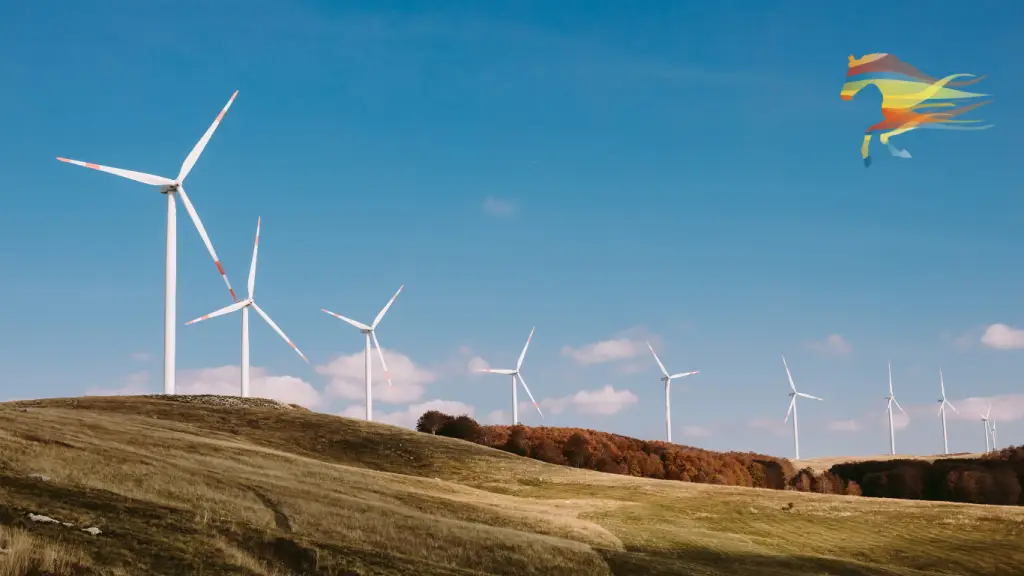
Using Sustainable Farm Marketing Without Greenwashing
Consumers today are more interested than ever in sustainability. Whether they are choosing where to stay on holiday, where to buy their food or which businesses to support, many people actively seek out companies that align with their values.
For diversified farm businesses, this presents a significant opportunity. Farmers are often already carrying out activities that support wildlife, improve soil health, reduce food miles or protect the countryside. However, many struggle to communicate these efforts effectively through their marketing.
At the same time, customers are becoming increasingly sceptical of environmental claims. Businesses that exaggerate their eco credentials risk being accused of greenwashing, which can damage trust and harm their reputation.
The key to successful sustainable farm marketing is honesty. By communicating your environmental efforts clearly, accurately and transparently, you can build trust with customers while showcasing the positive impact your business is making.
What Is Sustainable Farm Marketing?
Sustainable farm marketing is the practice of promoting your farm business in a way that accurately reflects your environmental, social and ethical values.
Rather than focusing solely on products or services, sustainable marketing highlights the wider impact of your business. This might include how you manage the land, support biodiversity, reduce waste, source materials locally or contribute to your community.
For diversified farms, sustainability can often become a key point of differentiation. Whether you run a glamping site, farm shop, meat box business, educational attraction or pick-your-own enterprise, customers increasingly want to understand the story behind the businesses they support.
However, sustainable marketing is not about creating a perfect image. It is about sharing genuine actions and demonstrating a commitment to continuous improvement.
Why Authenticity Matters More Than Perfection
One of the biggest mistakes businesses make is assuming they need to be completely sustainable before they can talk about sustainability.
The reality is that most consumers do not expect perfection. They understand that every business faces challenges and trade-offs. What they do expect is honesty.
For example, if your farm has recently introduced solar panels, planted new hedgerows or reduced single-use plastics, these are positive actions worth sharing. You do not need to claim that your business is entirely carbon neutral to discuss the improvements you are making.
Customers often respond better to businesses that openly discuss their sustainability journey than those that present themselves as flawless.
Sharing your progress also creates opportunities for storytelling. People enjoy following a journey and seeing how businesses evolve over time. By regularly updating customers on projects and improvements, you can strengthen engagement and build long-term trust.
What Is Greenwashing and Why Should Farmers Avoid It?
Greenwashing occurs when a business makes environmental claims that are misleading, exaggerated or difficult to verify.
In some cases, businesses use vague language such as “eco-friendly”, “green” or “environmentally conscious” without providing any evidence to support these claims.
In other situations, a business may heavily promote one positive environmental initiative while ignoring larger issues that have a more significant impact.
The problem with greenwashing is that it damages credibility.
Today’s consumers are more informed than ever and have access to vast amounts of information online. If customers discover that a business has overstated its sustainability credentials, trust can quickly disappear.
For farm businesses, trust is often one of the most valuable assets you have. Customers buy from local farms because they value transparency, authenticity and personal connections. Greenwashing can undermine all of these.
Instead of making broad claims, focus on communicating specific actions and measurable outcomes.
How to Communicate Sustainability Credentials Effectively
When discussing sustainability, specificity is your greatest asset.
Rather than saying:
“We are an environmentally friendly farm.”
Consider saying:
“We have planted 500 metres of new hedgerow to support wildlife habitats.”
Or:
“Our glamping accommodation is powered partly by solar energy generated on the farm.”
Specific examples are easier for customers to understand and far more credible.
Where possible, provide evidence to support your claims. This could include:
- Environmental certifications
- Participation in stewardship schemes
- Renewable energy installations
- Wildlife surveys
- Water conservation projects
- Plastic reduction initiatives
Photographs and videos can also be extremely effective. Showing customers the actual work taking place on the farm often has a far greater impact than simply telling them about it.
Most importantly, focus on storytelling rather than slogans. Explain why you chose to undertake a project, what challenges you faced and what results you have seen. Stories create emotional connections and help customers feel invested in your business.
Sustainable Marketing Ideas for Different Farm Diversifications
The sustainability messages you share should reflect the nature of your diversification business.
Glamping and Agritourism Businesses
Visitors are often interested in the environment around them. You could highlight:
- Wildlife-friendly management
- Renewable energy use
- Habitat creation projects
- Locally sourced welcome packs
- Conservation initiatives
Many guests appreciate learning how their stay supports the wider farm and landscape.
Farm Shops and Food Businesses
Consumers are increasingly interested in food provenance and local supply chains.
Potential sustainability topics include:
- Seasonal produce
- Reduced food miles
- Reusable packaging
- Supporting local suppliers
- Reducing food waste
These stories help customers understand the wider value of buying directly from a farm business.
Meat Box Businesses
Meat producers often have opportunities to educate customers about:
- Grazing systems
- Native or rare breeds
- Landscape management
- Habitat conservation
- Animal welfare standards
Many consumers have questions about livestock farming, making educational content particularly valuable.
Educational Farm Diversifications
If your diversification includes farm visits, experiences or educational activities, sustainability can become part of the experience itself.
Visitors often enjoy learning about:
- Biodiversity
- Food production
- Wildlife habitats
- Soil health
- Conservation projects
Educational content not only supports marketing but can also help strengthen customer loyalty.
Using Content Marketing to Showcase Sustainability
One of the best ways to communicate sustainability is through regular content marketing.
Blogs, emails and social media allow you to educate customers while demonstrating your expertise and values.
Some content ideas include:
- Wildlife sightings on the farm
- Tree planting projects
- Seasonal conservation work
- Renewable energy installations
- Soil improvement initiatives
- Behind-the-scenes farm management decisions
Educational content tends to perform particularly well because customers increasingly want to understand where their food comes from and how farms operate. Providing useful information builds authority and helps position your business as a trusted source of knowledge.
Regular content creation also improves your website’s visibility in search engines, helping potential customers discover your business online. As with many farm diversification businesses, educational content can be a powerful tool for increasing visibility while building trust with your audience.
How Sustainable Farm Marketing Supports SEO
Many consumers actively search online for information related to sustainability and farming.
Questions such as:
- Is local food more sustainable?
- What is regenerative farming?
- How do grazing animals support biodiversity?
- What are the benefits of buying direct from farmers?
all create opportunities for valuable content.
By answering these questions through blogs and website content, you can improve your search engine rankings while attracting visitors who are already interested in your values and approach.
This educational approach not only supports SEO but also helps build trust before a customer ever contacts you.
Conclusion
Effective sustainable farm marketing is not about claiming perfection. It is about communicating honestly, sharing your progress and helping customers understand the positive actions your business is taking.
By focusing on transparency, evidence and storytelling, diversified farm businesses can build stronger relationships with customers while avoiding the risks of greenwashing.
The farms that communicate their values clearly and authentically are often the ones that stand out. In a world where consumers increasingly want to support businesses they trust, honest sustainable marketing can become one of your most valuable assets.